
Simple camping recipes are easier to plan when the ingredient list stays familiar. The goal is not to strip every meal down to three items. It is to avoid buying, packing and keeping track of specialty ingredients that only serve one purpose on the trip.
A useful camp menu repeats a few dependable foods across meals, adds flavor with seasonings you already use, and leaves the complicated pantry projects at home.
Choose Ingredients That Can Do More Than One Job
Before shopping, look across the whole menu. Tortillas, bread, cheese, canned beans, sturdy vegetables, rice or another quick grain can often show up in more than one meal. That cuts down on half-used packages and makes the cooler easier to organize.
Simple ingredients are especially useful when they can become breakfast, lunch or dinner with only a change in seasoning or cooking method.
Let Pantry Staples Carry Dinner
Canned foods, shelf-stable sauces and familiar seasonings can give you a satisfying dinner without a long list of refrigerated ingredients.
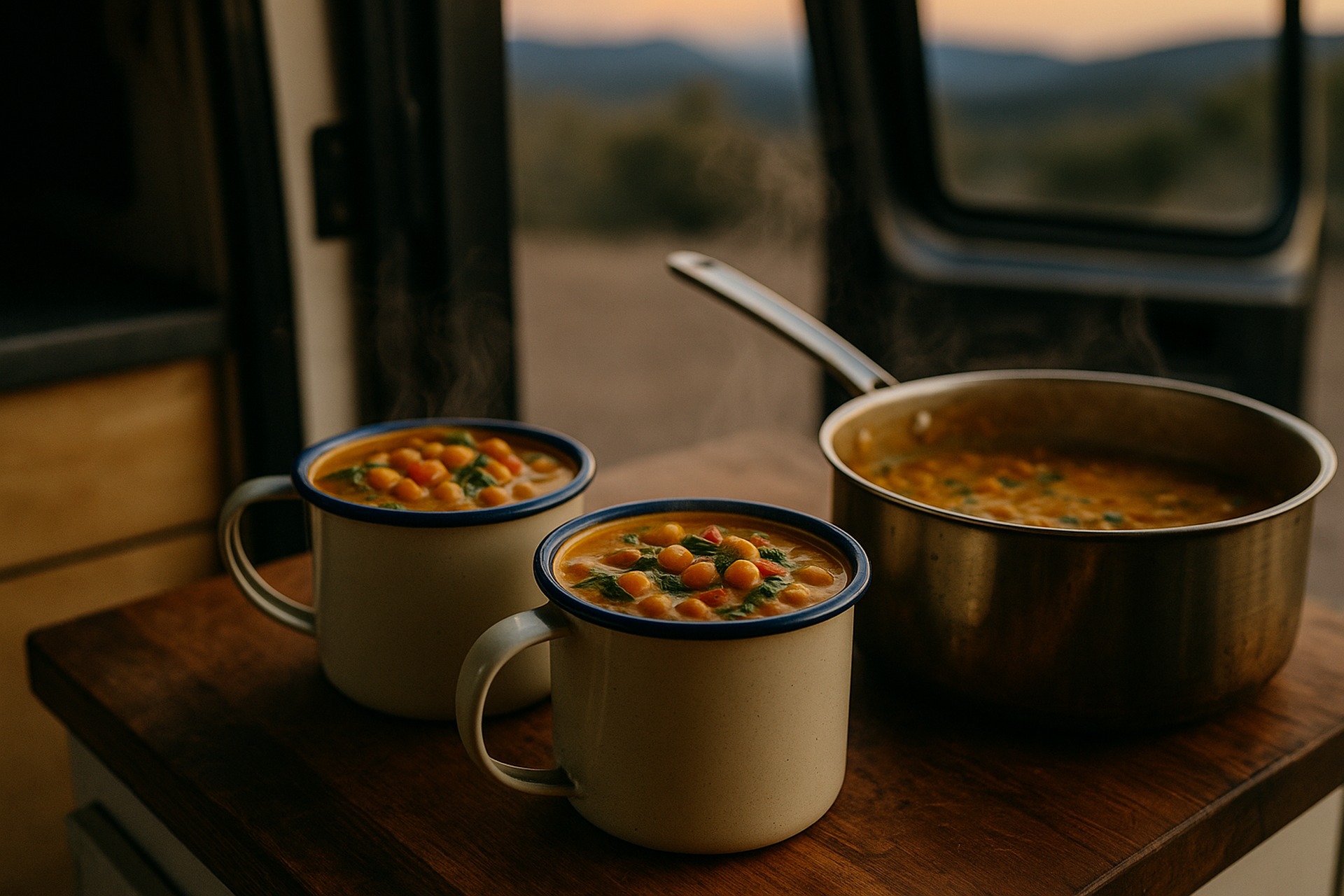
Van Life Coconut Chickpea Curry
Chickpeas and coconut milk give you most of what this curry needs without filling the food box with ingredients you’ll use only once.
Use Quick Staples for Sides and Light Meals
Fast-cooking grains are useful at camp because the base ingredient is simple and the additions can stay flexible. A lemon, a little oil and whatever herbs you brought can be enough to turn a plain staple into something worth eating.
One-Pot Herbed Couscous with Lemon
Recipe pictured at the top of this page.
One-Pot Herbed Couscous with Lemon shows how a short list of ordinary ingredients can still taste finished. It can stand beside a main dish or become part of a simple lunch without adding another complicated shopping list.
Keep Lunch Built Around Familiar Food
Lunch does not need a special set of camping ingredients. Sandwiches and wraps work because the components are easy to recognize, easy to portion and often useful elsewhere in the trip.
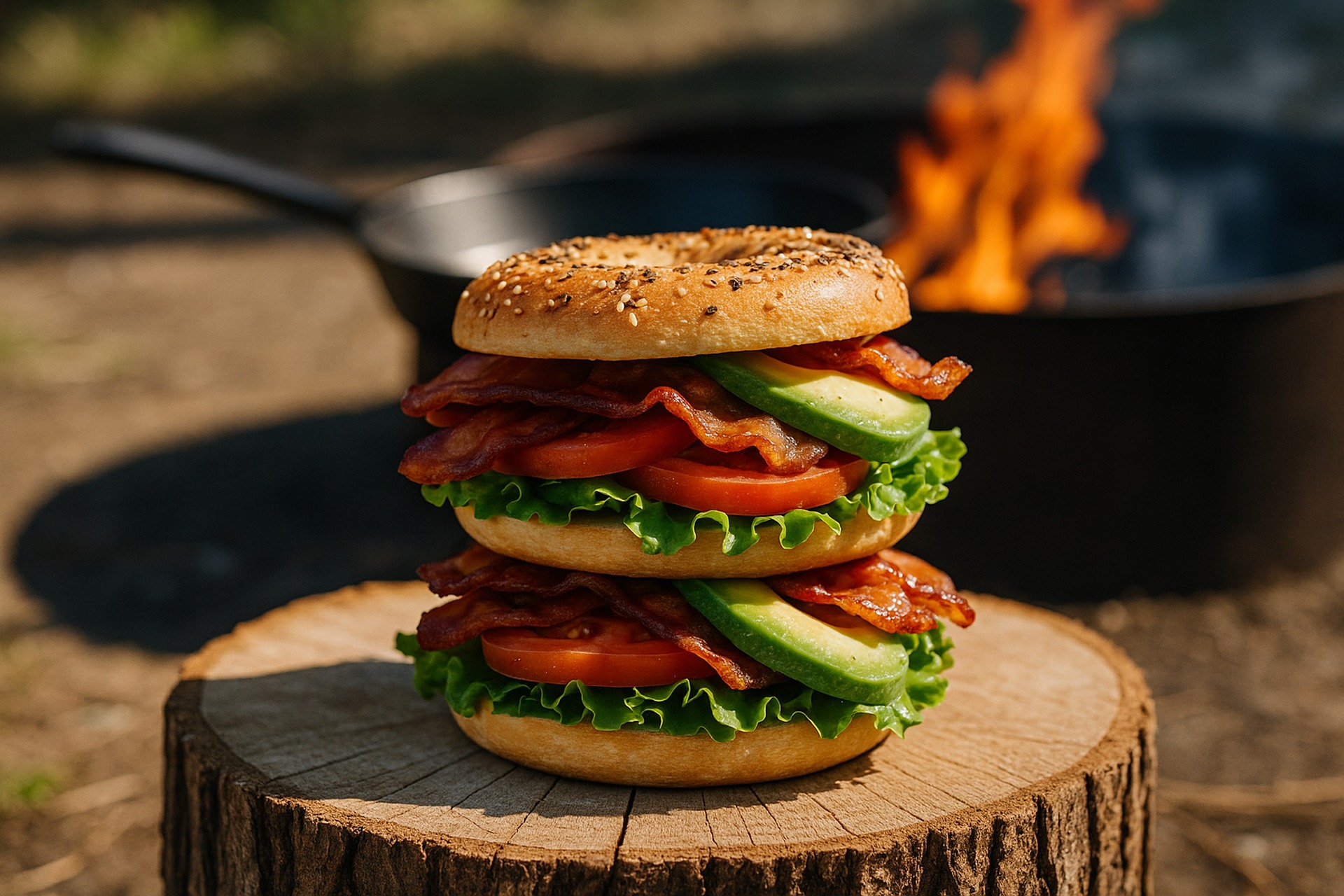
Avocado BLT Bagel Sandwiches use a familiar sandwich format, which makes it easier to shop from foods you would normally buy anyway.
Simple Ingredients Can Still Make a Hearty Meal
A simple-ingredient plan does not mean every dinner has to be no-cook or ultralight. Sometimes familiar ingredients assembled in one substantial dish are easier to manage than several smaller recipes with separate sides and toppings.
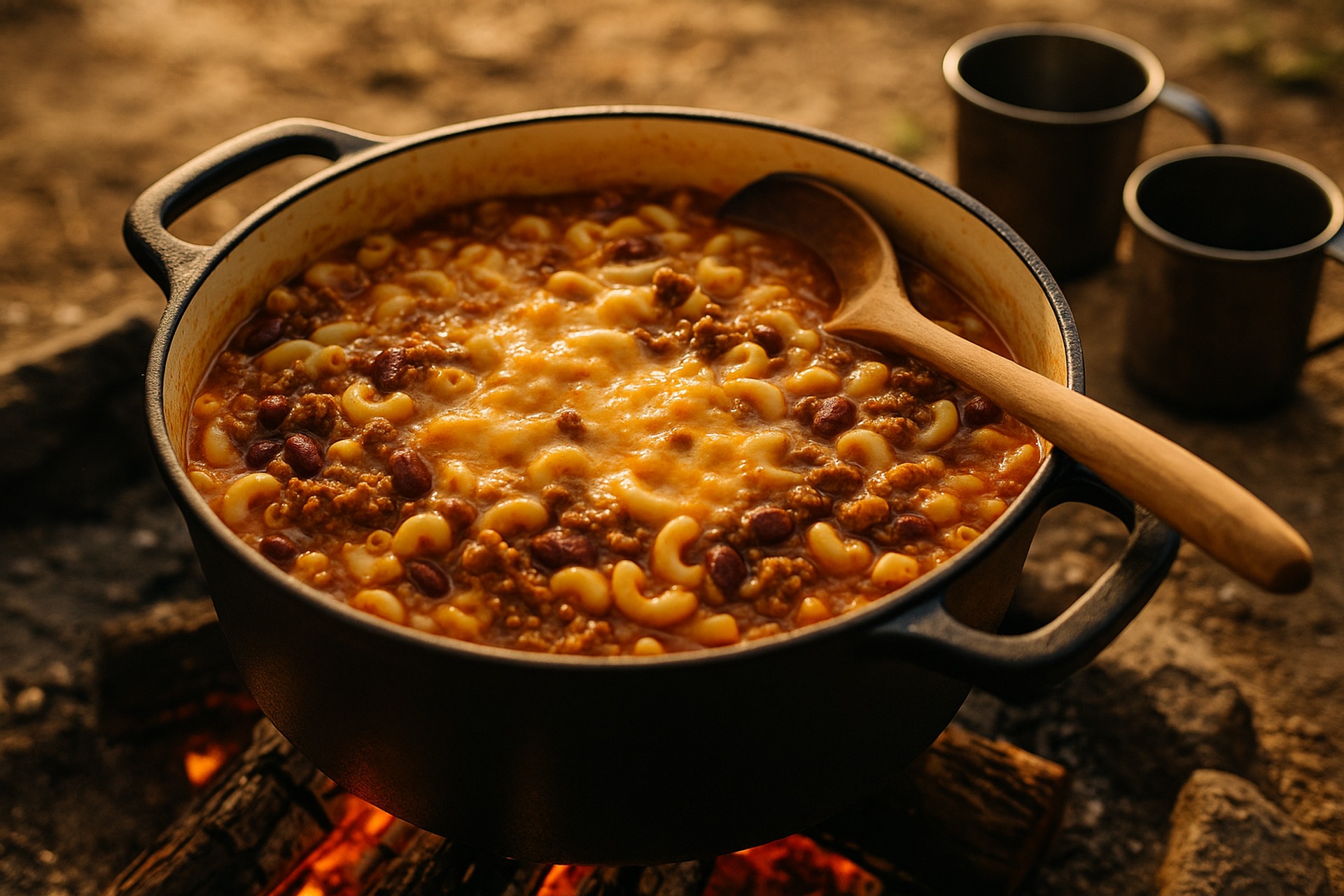
Dutch Oven Cowboy Chili Mac is a useful reminder that ingredient simplicity and cooking simplicity are different things. A Dutch oven meal may take more time, but it can still rely on recognizable staples rather than specialty products bought for one recipe.
Keep One No-Cook Option in the Food Box
A no-cook meal or snack gives you an easy fallback when the stove is busy, the weather changes or nobody wants another round of camp cooking.

No-Cook Peanut Butter Banana Energy Wraps
Peanut Butter Banana Energy Wraps keep the idea straightforward: a few common ingredients, no extra cookware and very little to keep track of. That is the kind of simplicity that earns space in a camp menu.
Shop for Overlap, Not Just Individual Recipes
Once you have chosen the meals, make one combined ingredient list and circle anything that appears only once. A one-use ingredient may still be worth bringing, but it should earn its space in the cooler or food box.
You can also look for easy substitutions before the trip. If two recipes call for different cheeses, herbs or breads, decide whether one familiar option can work for both.
Keep the Ingredient List Practical
The useful test is not a strict ingredient count. It is whether the food is easy to buy, pack, recognize and use before the trip ends. A short list of practical ingredients usually makes camp meals easier to organize without forcing every dinner into the same flavor or cooking method.
Find More Camping Recipes
Use the Recipe Index when you want to match ingredients you already have with another meal. The Camping Lunch Recipes and Camping Dinner Recipes are also useful when you need one more meal to round out the trip.
A simpler camp grocery list should leave you with fewer odds and ends, not less enjoyable food. Start with ingredients you know you will use, then build the meals around them.