
Cooking at camp doesn’t need to be difficult, but it does take a little different thinking than cooking at home. You have less counter space, fewer pans and ingredients, and probably no sink within arm’s reach.
For your first few trips, keep things manageable. Pick meals with straightforward ingredients, do some of the prep before leaving home and don’t plan on cooking everything over the campfire. A camp stove, a skillet and a few no-cook meals can take care of most of the weekend.
Start with a Camp Stove
If you’re new to camp cooking, a propane stove is usually the easiest place to start. It works much like cooking on a burner at home, and you can adjust the heat instead of trying to control a fire.
A pot and a skillet will handle a surprising number of camping meals. Look for recipes with simple steps and ingredients that can go into one pot or pan rather than meals that require several things cooking at once.
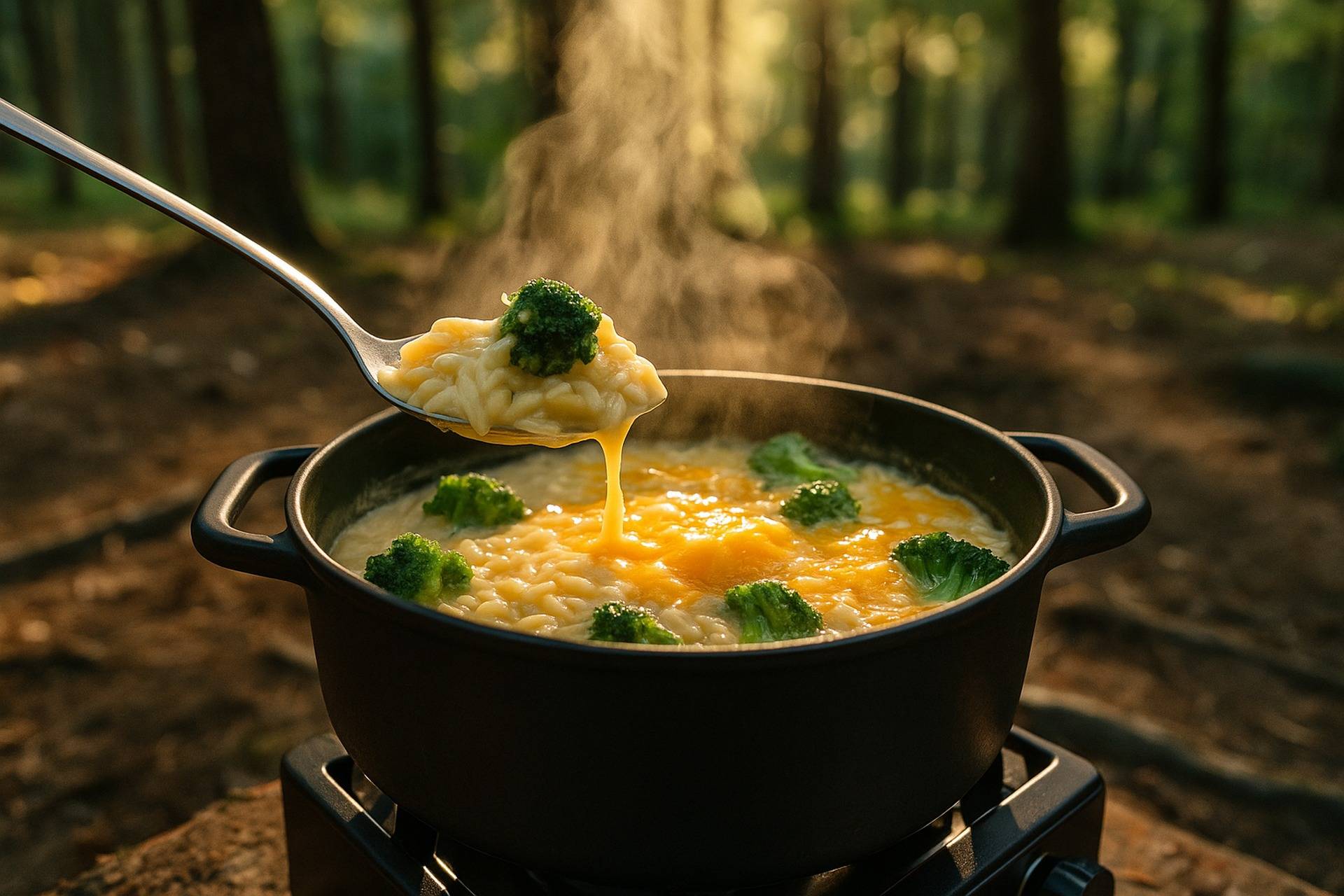
Propane Stove Creamy Broccoli & Cheddar Orzo
A one-pot meal like this is a good way to get comfortable with your camp stove without juggling several burners and pans. Everything cooks in the same pot, keeping both cooking and cleanup manageable.
Cooking Over a Campfire
Campfire cooking is one of the pleasures of camping, but it isn’t always the easiest way to prepare a meal.
A fire that’s great for sitting around isn’t necessarily ready for cooking. Instead of putting a skillet over tall flames, let the fire settle until you have a steady bed of hot coals. You can then position your grate or cookware where the heat is easier to manage.
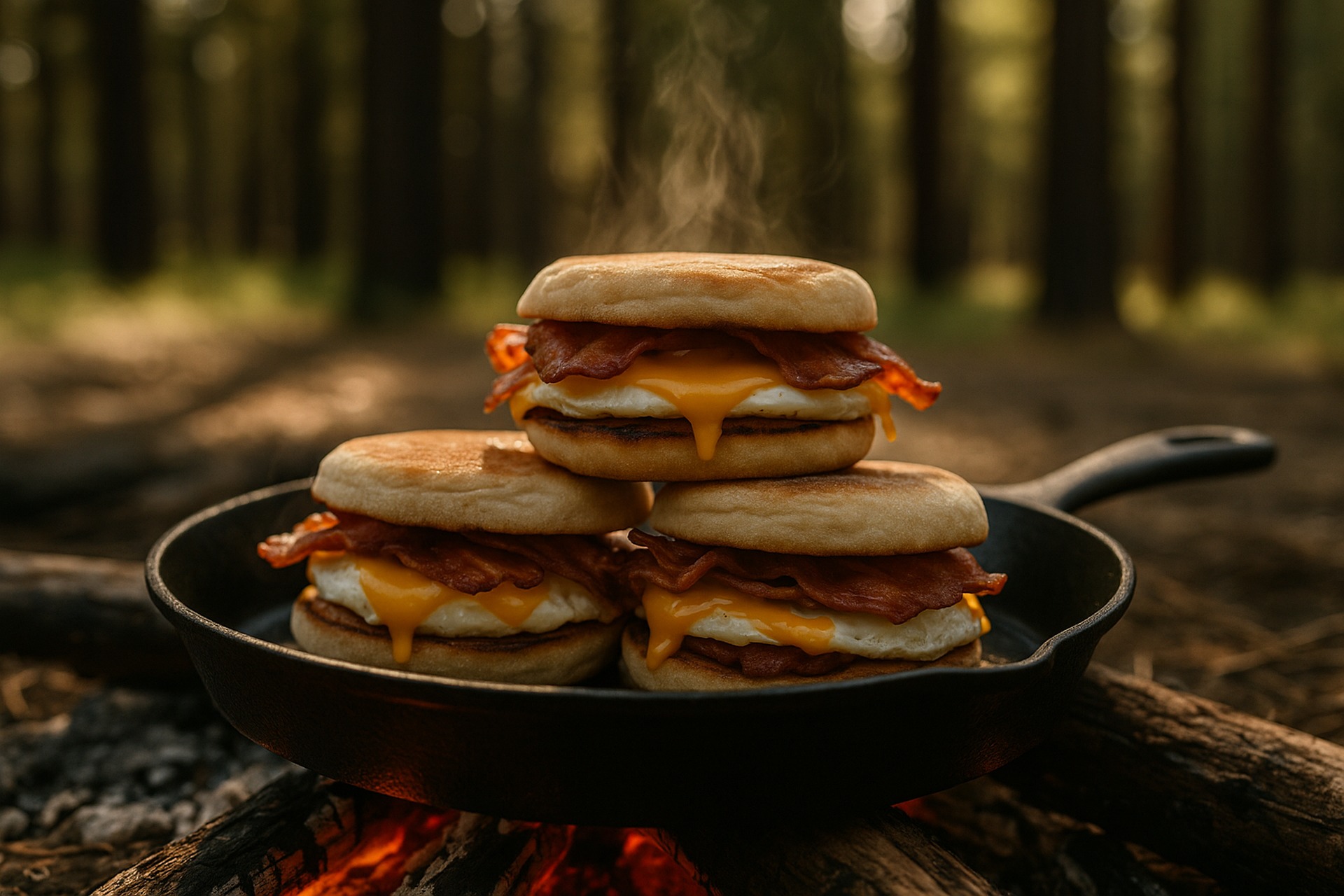
Classic Campfire Bacon & Egg Sandwiches
Eggs, bacon and bread make a familiar introduction to cooking over a fire. You’re working with ingredients you probably already know how to cook, which lets you concentrate on learning how your fire and skillet behave.
Always check campground rules and current fire restrictions before planning a meal that depends on an open fire. A camp stove also gives you a backup when conditions change.
No-Cook Meals Count Too
Not every camping meal needs smoke, cast iron or a propane burner. The No-Cook Mediterranean Chickpea Salad pictured at the top of this page is a good example. A little preparation at home gives you a substantial meal at camp without lighting anything.
No-cook meals are especially useful on arrival day, at lunch or when you’re trying to get onto the trail early. They’re also handy when rain, wind or fire restrictions change your plans.
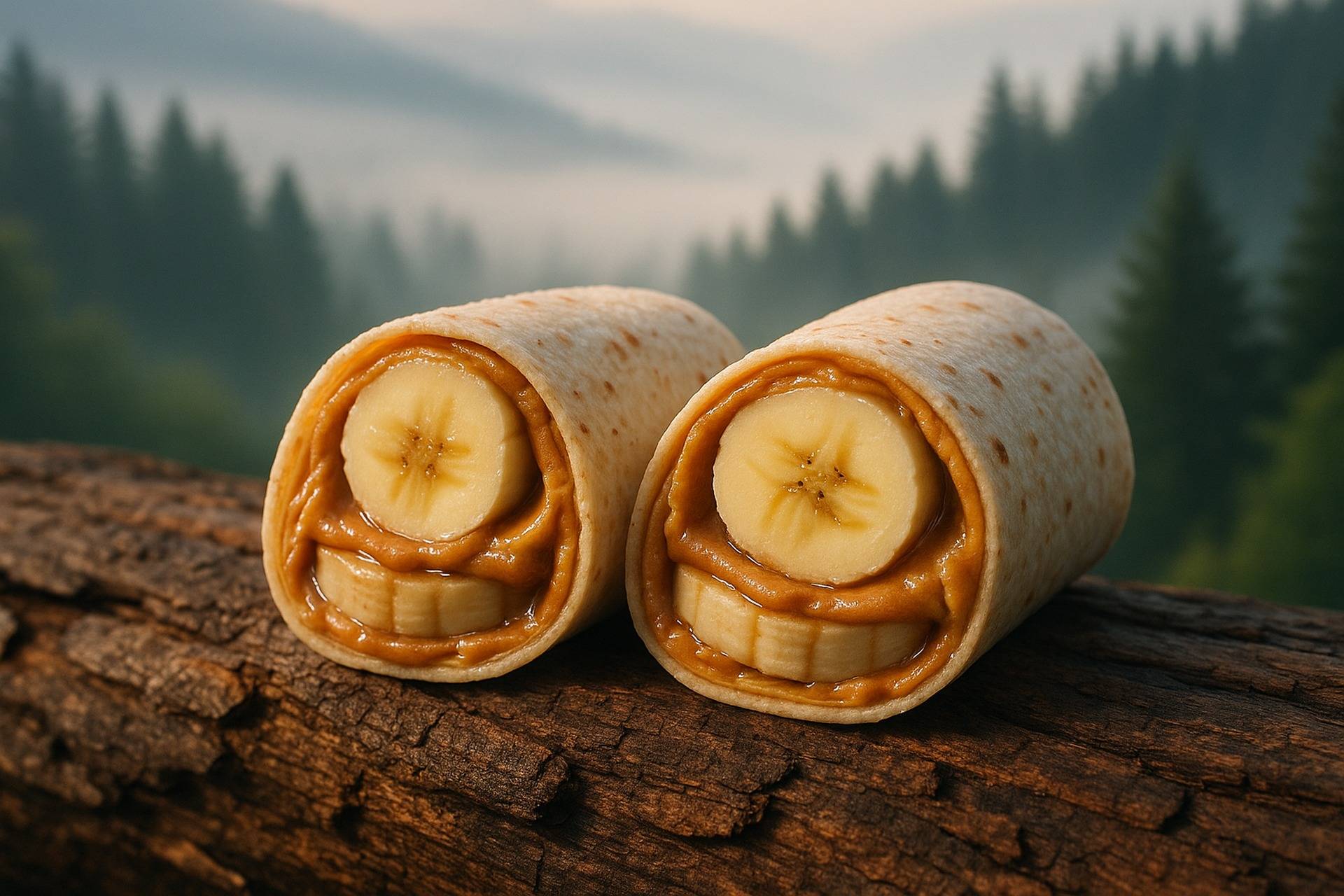
No-Cook Peanut Butter Banana Energy Wraps
These wraps take very little time to put together and work for breakfast, lunch or a quick snack. They’re especially useful when you want to eat and get moving without unpacking the camp kitchen.
Mixing cooked and no-cook meals over the course of a trip means less fuel, less cleanup and more time for whatever brought you outside in the first place.
Do Some of the Work at Home
One of the easiest ways to simplify camp cooking happens before you leave.
If a recipe calls for chopped vegetables, chop them at home. Measure spices into a small container instead of bringing several full-size jars. Portion ingredients for individual meals and pack things that will be used together in the same part of the cooler or food box.
You don’t have to prepare everything in advance. The idea is simply to avoid doing unnecessary kitchen work at a picnic table. It also gives you a chance to discover a missing ingredient while the grocery store is still nearby.
Keep the First Few Meals Simple
Camping probably isn’t the best time to try a complicated recipe for the first time.
Choose meals with a little room for error. A skillet dinner that can cook another few minutes without being ruined is easier to manage than something that depends on exact timing or several pans finishing at once.
Think about the equipment a recipe requires, too. If dinner needs three pots, a skillet, a cutting board and half your utensils, you’ll have to unpack, use, wash and repack all of it.
A good beginner camping meal should leave you enough time to enjoy being at camp.
Think About Cleanup Before You Start Cooking
At home, another dirty bowl isn’t much of a problem. At camp, every extra dish needs water, washing space and somewhere for the wastewater to go.
Before starting a recipe, look at how many things you’re about to dirty. Can vegetables be chopped at home? Can ingredients be combined in one container? Can everything cook in the same pot?
Small decisions like these make a noticeable difference at the end of the meal.
For trips where you’d really like to keep the dishwashing to a minimum, see Easy Camping Food Recipes with Minimal Cleanup for more ideas.
Dessert Doesn't Have to Be Complicated
There’s no rule that dessert has to compete with dinner for space on the stove or over the fire. A make-ahead or no-bake dessert gives you something sweet at the end of the day without adding another round of cooking.
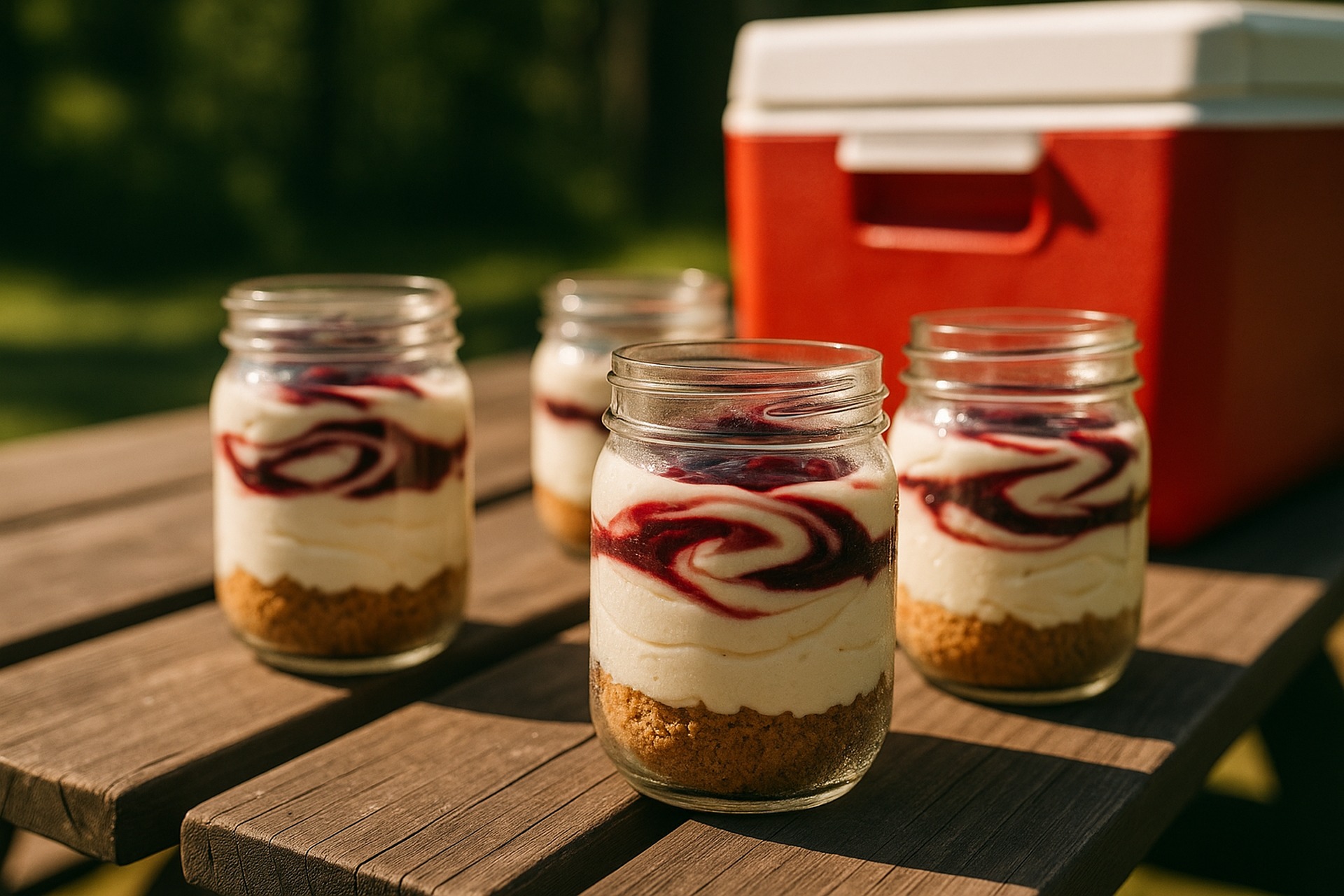
Easy Camp No-Bake Cheesecake Jars
These can be prepared ahead and kept chilled until you’re ready for dessert. That’s one less thing to make after dinner and a good example of why thinking about the whole meal—not just the main dish—can make cooking at camp easier.
A Few Mistakes to Avoid on Your First Trip
Don’t make every meal an event. Cooking breakfast over the fire, making an elaborate lunch and then starting another fire for dinner can become surprisingly time-consuming.
Don’t depend entirely on a campfire, either. Weather, campground restrictions or a stubborn fire can change the plan quickly. And don’t bring full-size packages of ingredients when you only need a small amount. Portioning ingredients at home saves space and keeps the camp kitchen organized.
Most of these things become second nature after a few trips.
Where to Find More Camping Recipes
Once you’re comfortable cooking outdoors, you can choose recipes based more on what sounds good and less on what’s easiest to manage.
For mornings at camp, explore Camping Breakfast Recipes. For something in the middle of the day, head to Camping Lunch Recipes, and when you’re ready to plan the evening meal, you’ll find more ideas in Camping Dinner Recipes.
The Recipe Index is also useful when you want to narrow things down by cooking style or the kind of meal you’re planning.
You don’t need an elaborate camp kitchen or a weekend full of ambitious recipes to eat well outdoors. Start with a few meals you know you can handle, learn how your stove and cookware behave, and build from there.